
Thailand has long been one of Southeast Asia's most popular destinations for foreign property buyers — and for good reason. With its tropical climate, world-class infrastructure, and relatively affordable prices compared to Western markets, the kingdom attracts thousands of expat buyers every year. But the key question remains: can foreigners actually own property in Thailand?
The short answer is yes — but with important restrictions. Thai law places significant limitations on foreign land ownership, so understanding your options before you buy is essential.
Option 1: Freehold Condominium Ownership
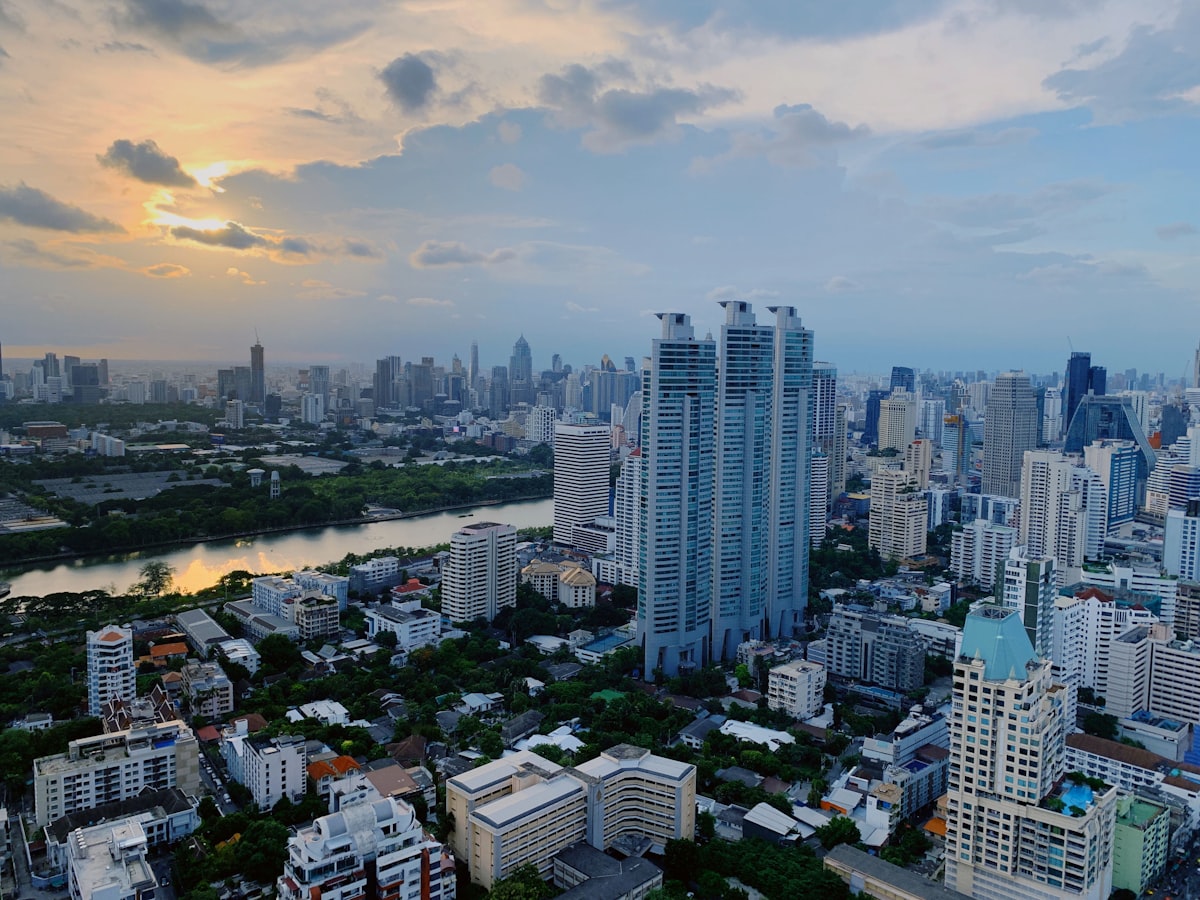
By far the most straightforward and legally secure option for foreigners is buying a condominium unit. Under the Condominium Act B.E. 2522 (1979), foreigners can hold full freehold title — meaning your name appears on the Chanote (title deed) — for up to 49% of the total sellable area in any registered condominium project.
What this means in practice:
- You own the unit outright, with the same legal standing as a Thai citizen
- You can sell, rent, gift, or bequeath the unit without restriction
- The title deed (Chanote or Nor Sor 4) is the strongest form of land title in Thailand
- No annual renewal or re-registration is required
Key requirement: You must transfer foreign currency into Thailand and obtain a Foreign Exchange Transaction (FET) certificate from your bank. This proves the funds came from overseas and is mandatory for registering the title in a foreigner's name.
Option 2: Leasehold — Land, Houses and Villas
Foreigners cannot own land in Thailand under normal circumstances. However, a long-term leasehold arrangement is a widely used and legally recognized alternative — particularly for those wanting a villa or standalone house.
Under Thai law, leases can be registered at the Land Department for a maximum of 30 years at a time. In practice, many developers and sellers offer a 30+30+30 structure (90 years total), though the renewal clauses are contractual rather than statutory — meaning the renewal is only as reliable as the counterparty.
Important leasehold considerations:
- Register the lease at the Land Department (not just a private contract)
- A registered lease survives a change of landowner — protecting you if the land is sold
- Leaseholders can typically build on and modify the structure
- Renewal is not automatic — negotiate renewal terms carefully in the original contract
Option 3: Thai Company Structure

Some foreign buyers opt to purchase land through a Thai Limited Company (บริษัทจำกัด). Since companies can own land, and a foreigner can hold shares and be a director, this creates an indirect path to land ownership.
However, this route comes with serious legal and practical caveats:
- A Thai company must have at least 51% Thai shareholders
- Using nominee shareholders (Thai nationals paid to hold shares in name only) is illegal under the Foreign Business Act and Land Code
- The company must have genuine business operations and file annual financial statements
- The Land Department actively scrutinizes these structures
This option is best reserved for genuine business use cases. Always engage a qualified Thai property lawyer before proceeding.
Other Routes Worth Knowing
BOI Promotion: The Board of Investment (BOI) grants certain foreign investors the right to own up to 1 rai (0.16 hectares) of land for residential use, provided a qualifying investment of at least ฿40 million is made.
Inheritance: A foreigner can inherit land in Thailand, but must dispose of it within a reasonable period (typically 1 year) unless they qualify under another exception.
Spouse of a Thai national: If married to a Thai citizen, the land must still be registered solely in the Thai spouse's name. The foreign spouse must sign a declaration confirming the funds are personal property of the Thai spouse.
Practical Checklist Before You Buy
- ✅ Verify the title deed type — only Chanote (Nor Sor 4 Jor) offers full rights
- ✅ Check the foreign quota status on condos (developer or juristic office can confirm)
- ✅ Obtain a FET certificate for the funds transfer
- ✅ Engage a licensed Thai property lawyer (independent from the developer)
- ✅ Conduct a Land Department title search to confirm no encumbrances or disputes
- ✅ Understand all taxes: transfer fee (2%), specific business tax (3.3%) or stamp duty (0.5%), and withholding tax
Final Thoughts
Thailand's property market offers real and accessible opportunities for foreign buyers — particularly in the condominium segment. The legal framework, while restrictive on land ownership, is well-established and transparent when followed correctly. Work with qualified professionals: an independent property lawyer, a reputable real estate agent, and a bank familiar with the FET process.
Done right, owning property in Thailand is not only possible — it can be a genuinely rewarding investment in one of Asia's most dynamic real estate markets.