One of the most common questions among foreign buyers in Thailand is whether to purchase a condominium or a house. The answer is not as simple as it might seem — it depends on your lifestyle, investment goals, budget, and how long you intend to stay. This guide breaks down the key differences so you can make an informed decision.
Legal Ownership: The Fundamental Difference
This is the single most important factor for foreign buyers. Thai law is very specific about what foreigners can and cannot own:
- Condo: Foreigners can hold full freehold title (Chanote) for up to 49% of any registered condominium project. Your name appears directly on the title deed. This is the only form of direct freehold land-free property ownership available to foreigners in Thailand.
- House: Foreigners cannot own land in Thailand (with very limited BOI exceptions). A house sits on land — so to "own" a house, foreigners typically use a long-term leasehold (up to 30 years, renewable), a Thai company structure, or a Thai spouse's name. Each carries legal complexity and risk.
Lifestyle Considerations
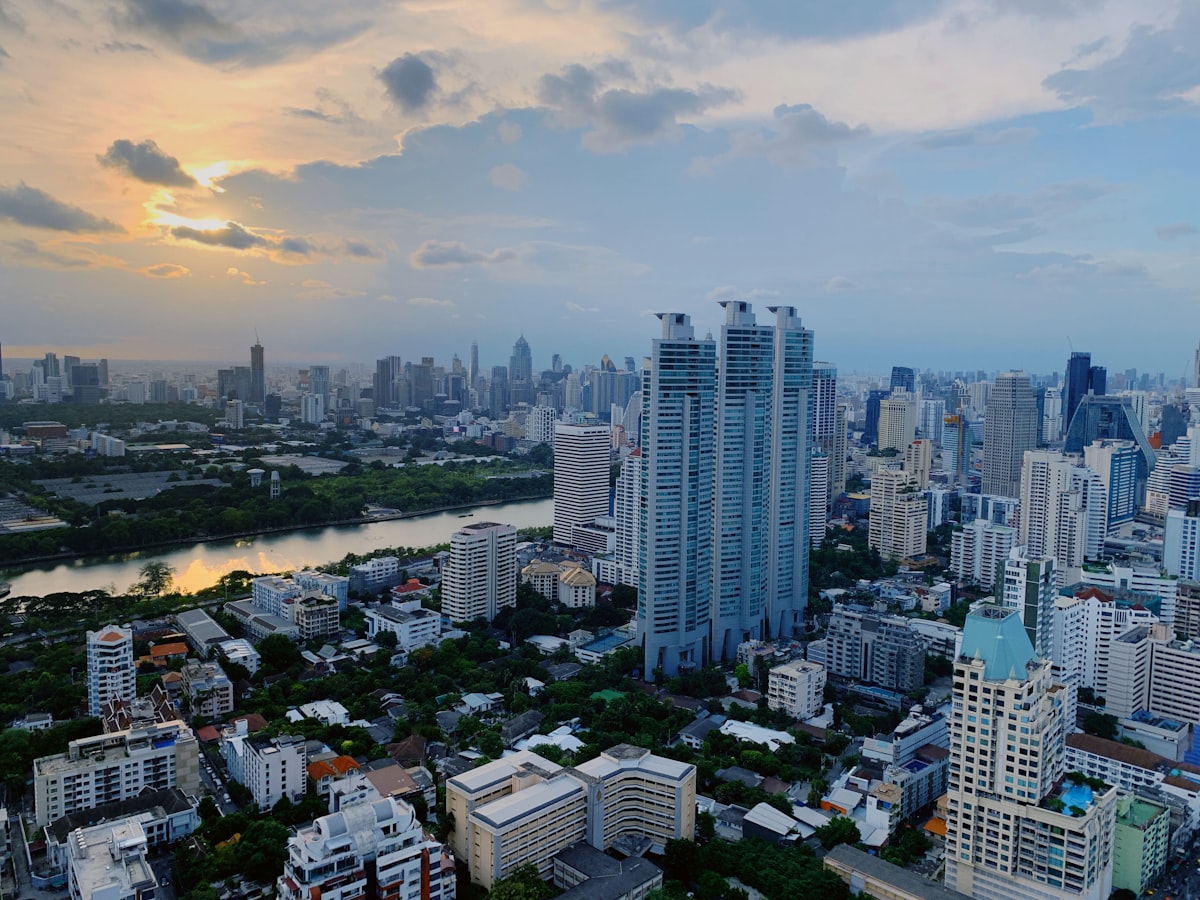
Condominiums suit buyers who value convenience, security, and low-maintenance living. Most Bangkok condos sit directly above or adjacent to BTS and MRT stations — you can walk to the train, restaurants, and shopping malls without needing a car. Building amenities such as pool, gym, 24-hour security, and concierge are managed for you. The downside is limited space, no garden, and shared common areas.
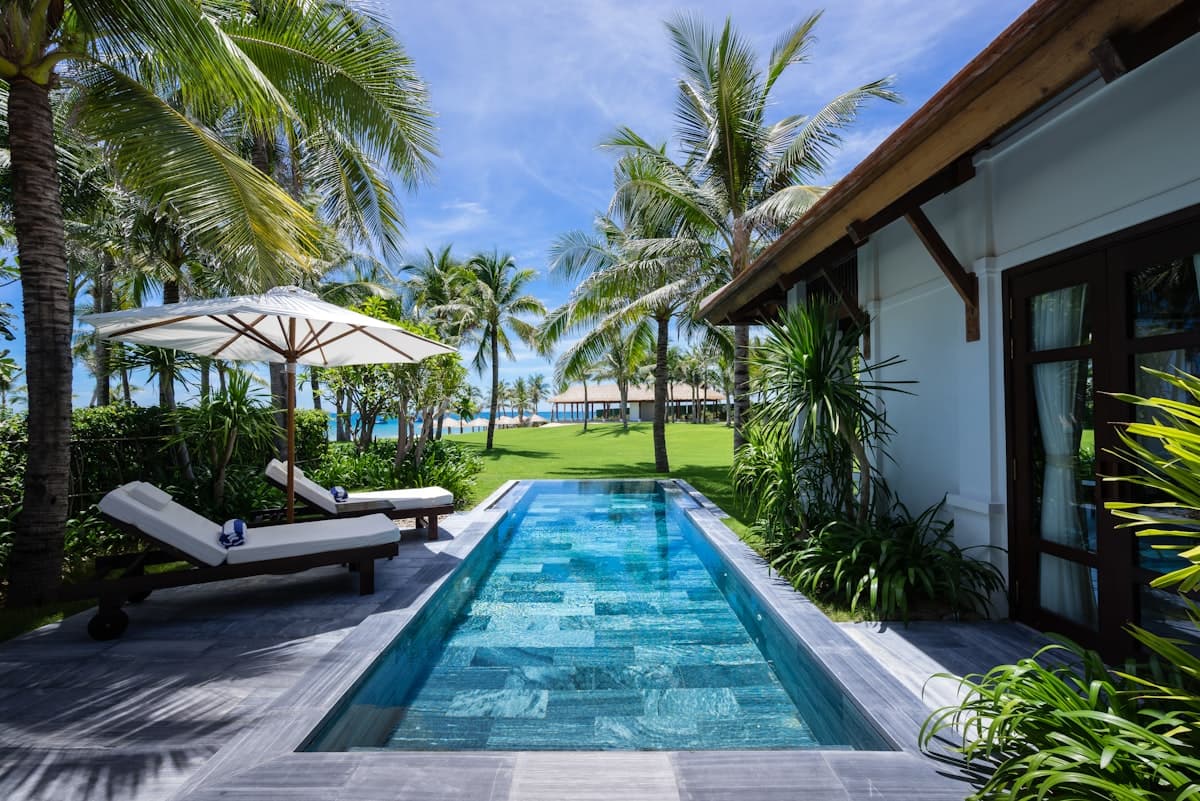
Houses and villas offer privacy, space, and a garden — ideal for families with children or pets. Many expats prefer living in gated communities outside the city centre, such as Bangna, Pattanakarn, or Ladprao. However, you will almost certainly need a car, and maintenance responsibilities (garden, pool, exterior) fall on you or require a hired caretaker.
Investment and Rental Perspective
From a rental yield perspective, condos in Bangkok's central districts consistently deliver 4–6% gross yields, driven by strong demand from corporate tenants and expatriates. Liquidity is high — units in proven projects sell relatively quickly.
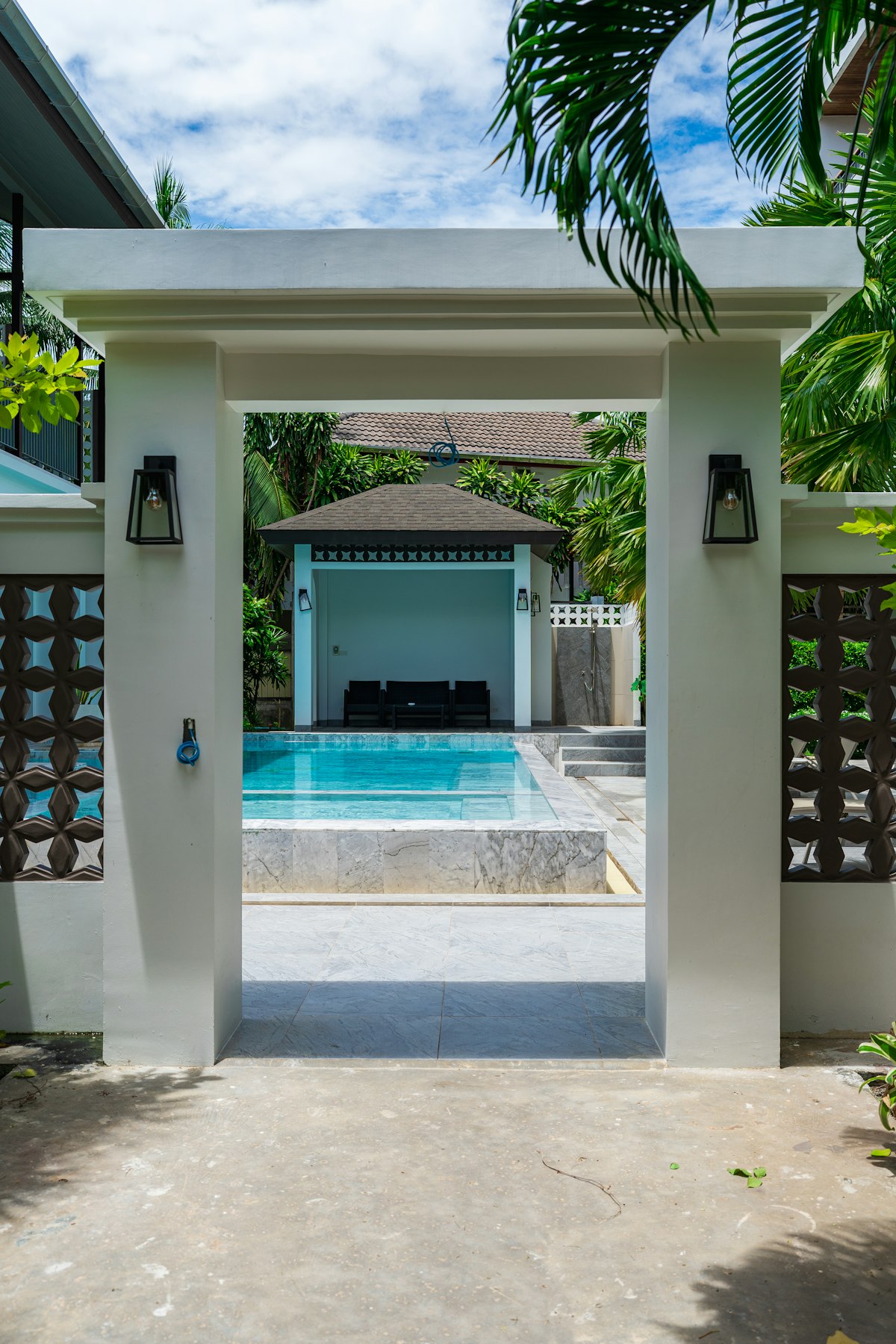
Houses and villas can deliver higher yields in resort destinations — a private pool villa in Phuket may achieve 6–10% gross yield via short-term rental platforms. However, management is complex, seasonal demand creates income variability, and selling a leasehold house is significantly harder than selling a freehold condo.
Cost Comparison
Entry-level studio condos in Bangkok start from ฿2–3 million in suburban areas, rising to ฿8–25 million in Sukhumvit or Silom. For that budget, you will not find a comparable house in a good location — mid-range houses in gated communities start from ฿8–15 million and require significant additional maintenance spend.
Which Is Right for You?
Choose a condo if you want clean freehold ownership, city-centre living, low maintenance, and strong resale liquidity. Choose a house if you prioritise space, privacy, and family living — and you are comfortable with leasehold or company structures and their associated risks. For the majority of foreign buyers, a freehold condominium remains the safest and most practical entry point into the Thai property market.