When buying property in Thailand, two words come up constantly: freehold and leasehold. For Thai nationals, the distinction is straightforward. For foreign buyers, it is one of the most important decisions you will make — and getting it wrong can cost you dearly. This guide breaks down exactly what each term means, how they differ legally, and which structure suits your goals.
What Is Freehold?
Freehold means absolute, permanent ownership. Your name appears on the title deed — in Thailand, the strongest form is the Chanote (โฉนดที่ดิน, also called Nor Sor 4 Jor). There is no expiry date, no landlord, and no renewal required. You own the property outright and can sell it, rent it, gift it, or pass it to heirs without restriction.
Key characteristics of freehold ownership:
- Permanent title — no time limit
- Full legal control: sell, rent, mortgage, or bequeath freely
- Can be used as collateral for a bank loan in Thailand
- Highest resale value and marketability
- Chanote is the only title type that confers full ownership rights
For foreigners: Freehold ownership is available for condominium units only, under the Condominium Act B.E. 2522. Up to 49% of the total sellable area in any registered project can be foreign-owned freehold. Land freehold is restricted to Thai nationals, with very limited BOI exceptions.
What Is Leasehold?

Leasehold means you have the right to use and occupy a property for a defined period, without owning it outright. Under Thai law, leases can be registered at the Land Department for a maximum of 30 years per term. The owner of the land — the lessor — remains the freehold title holder throughout.
In practice, many developers and private sellers structure leases as 30+30+30 years (90 years total), with renewal options written into the contract. However, it is critical to understand: these renewals are contractual obligations, not statutory rights. If the landowner dies, sells the land, or disputes the renewal, the courts will look to the contract — not an automatic legal entitlement.
Key characteristics of leasehold:
- Fixed term, maximum 30 years per registered lease
- Common 30+30+30 structure for villas and houses
- A registered lease survives a change of land ownership
- Leaseholder can build on, modify, and sublease (subject to contract terms)
- Cannot use leasehold land as loan collateral
- Lower entry cost than equivalent freehold property
For foreigners: Leasehold is the primary route to occupying a standalone house, villa, or land in Thailand. Because foreigners cannot hold freehold title to land, a well-structured registered lease is the next best thing — and is widely used by expats across Phuket, Koh Samui, Chiang Mai, and Bangkok.
Freehold vs. Leasehold: Side-by-Side Comparison
| Factor | Freehold | Leasehold |
|---|---|---|
| Ownership type | Full title | Use rights only |
| Duration | Permanent | Max 30 yrs/term |
| Available to foreigners | Condos (49% quota) | Yes — land & houses |
| Resale value | Higher | Lower (term remaining) |
| Bank mortgage | Yes | No |
| Renewal risk | None | Yes — depends on lessor |
| Entry cost | Higher | Lower |
Which Should You Choose?
The right choice depends on your situation, budget, and how long you plan to stay in Thailand.
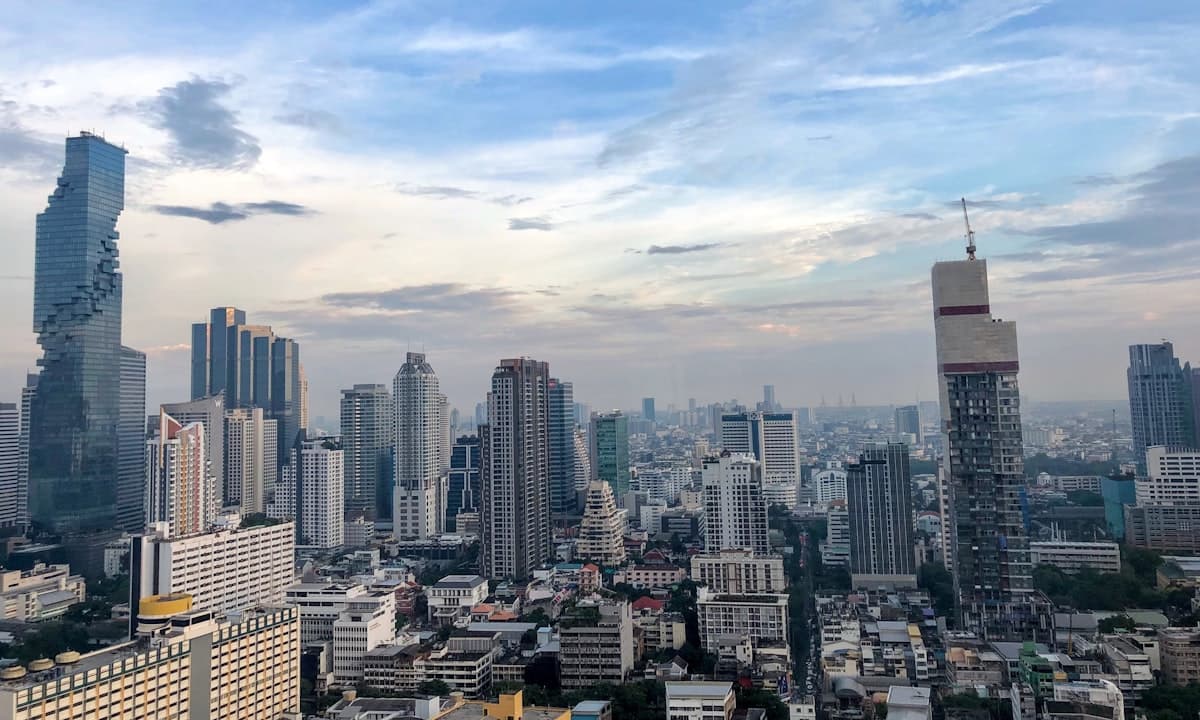
Choose freehold if: you want a condominium in a major city, plan to hold long-term, need the property as a financial asset, or prioritize resale value and security. Bangkok condos with freehold title are the most liquid foreign-owned properties in the Thai market.
Choose leasehold if: you want a villa, house, or landed property; you are comfortable with a well-structured 30-year (or longer) contract; or you want lower upfront cost for a luxury property type that freehold foreign ownership does not permit.
Critical Checklist for Leasehold Buyers
- ✅ Register the lease at the Land Department — an unregistered lease is not binding on third parties
- ✅ Ensure renewal clauses are clearly drafted, with specific terms and conditions
- ✅ Check whether the landowner has a clean freehold title (Chanote) — not encumbered
- ✅ Confirm the lease is with the actual title holder, not a middleman
- ✅ Include right-of-first-refusal clauses if the land is ever sold
- ✅ Have an independent Thai property lawyer review every lease document
Final Thoughts
Neither freehold nor leasehold is universally "better" — both serve different needs. What matters most is understanding what you are buying, protecting yourself contractually, and working with qualified professionals. A good Thai property lawyer and a reputable agent who specialises in foreign buyer transactions are your two most important partners in this process.
Thailand's property market rewards those who do their homework. Whether you choose the permanence of freehold or the flexibility of leasehold, clarity on ownership structure from day one is the foundation of a sound investment.