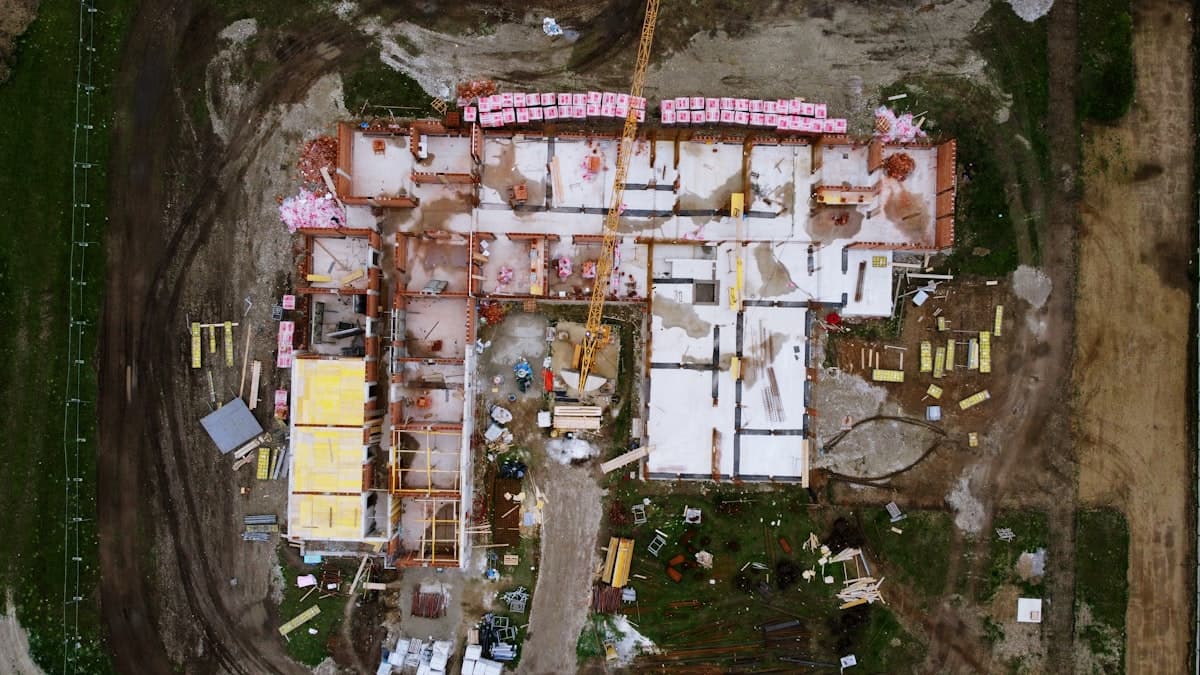
Buying off-plan — purchasing a condominium or house before construction is complete — can be an attractive proposition in Thailand. Developers often offer early-bird pricing, flexible payment schedules, and the appeal of a brand-new unit. But off-plan purchases carry risks that secondary market purchases do not. Understanding those risks before you sign is essential.
What Is Off-Plan Buying?
An off-plan purchase is a contract to buy a property that does not yet exist, or is under construction. You pay a deposit upfront (typically 10–30% of purchase price) and then stage payments as construction progresses, with the balance due on completion and transfer of title. In Thailand, the off-plan market is active — particularly in Bangkok, Phuket, and Pattaya — with new launches happening every month.
Risk 1: Developer Default or Insolvency
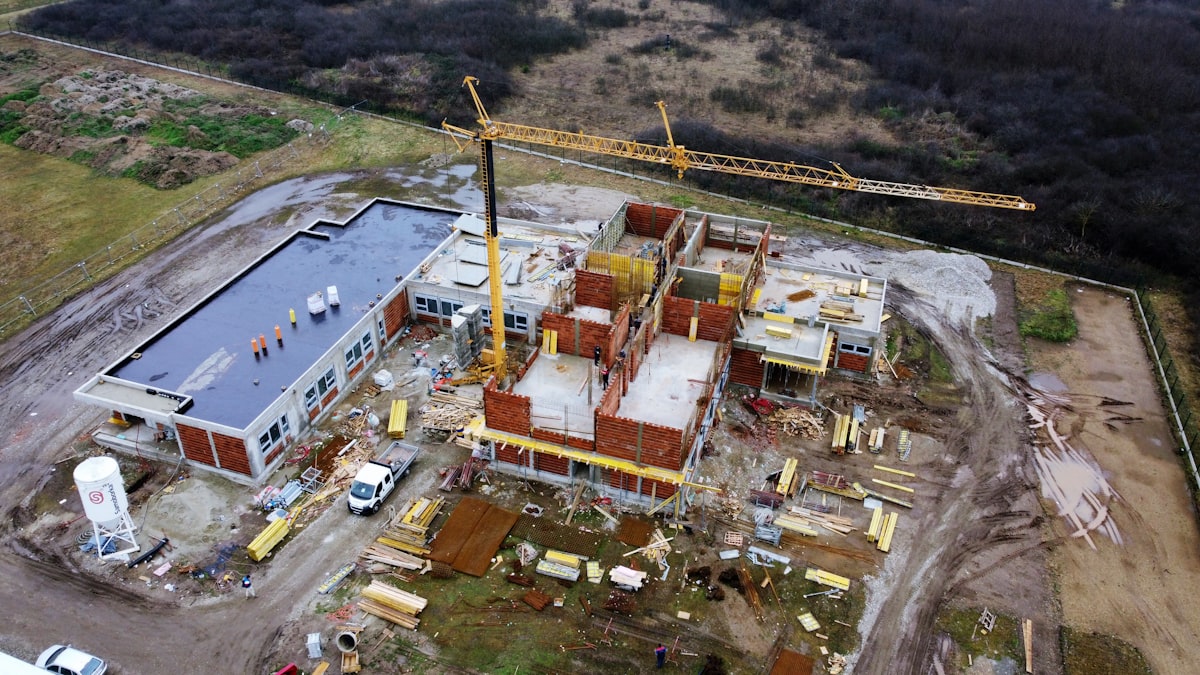
The most serious risk is that the developer runs out of money and cannot complete the project. This has happened multiple times in Thailand — notably after the 1997 Asian Financial Crisis and again after the COVID-19 pandemic slowed sales. If a developer defaults, buyers may face years of litigation to recover their deposits, and full recovery is not guaranteed.
How to mitigate: Research the developer's track record thoroughly. Visit completed projects and speak to existing residents. Check whether the developer has an EIA (Environmental Impact Assessment) approval and a construction permit (อ.1) already in place — projects that have broken ground are significantly lower risk than those still in pre-sale phase.
Risk 2: Delays
Construction delays are extremely common in Thailand. A project quoted as completing in Q4 2025 may not transfer titles until 2027. Delays affect your financial planning — if you are taking a loan or planning to rent out the unit, a two-year delay can be very costly. Always read the SPA's completion and penalty clauses carefully.
Risk 3: Finished Product Differs from Brochure

Marketing brochures are aspirational — not contractual. The view from your unit may be blocked by a new building. The promised swimming pool may be half the size shown. Finishes may be downgraded. Unless specific materials, dimensions, and specifications are written into the SPA, the developer has latitude to make changes.
How to mitigate: Negotiate to have materials specifications, unit dimensions, and key amenities written explicitly into the contract. Hire a lawyer to review the SPA before signing — not after.
Risk 4: Foreign Quota Sold Out on Completion
At the time of launch, foreign quota may be available. By the time the project completes two or three years later, the quota may already be 49% full — meaning you cannot transfer the unit into your foreign name on the freehold title. This is a genuine risk if a project has been heavily marketed to foreign investors.
Red Flags to Watch
- No EIA approval or construction permit yet obtained
- Developer has no completed projects on record
- Unusually high promised rental yields (above 8–10%) — often a sales tactic
- Pressure to sign quickly or lose "special pricing"
- Escrow account not available — deposits going directly to developer
- SPA written only in Thai with no translated version
When Off-Plan Makes Sense
Off-plan is not inherently bad — it can be an excellent strategy when the developer is established, the project has proper permits, you secure the price below market completion value, and you have a long investment horizon. The key is disciplined due diligence, an independent lawyer, and realistic expectations. Never buy off-plan with funds you cannot afford to have tied up for three or more years.