How to Buy a Condo in Bangkok: A Step-by-Step Guide
Buying a condominium in Thailand is one of the biggest decisions you will make, and the process differs in important ways from buying a house. This guide walks you through every stage, from setting a realistic budget to standing at the Land Office on transfer day, so you can buy with confidence and avoid costly mistakes.
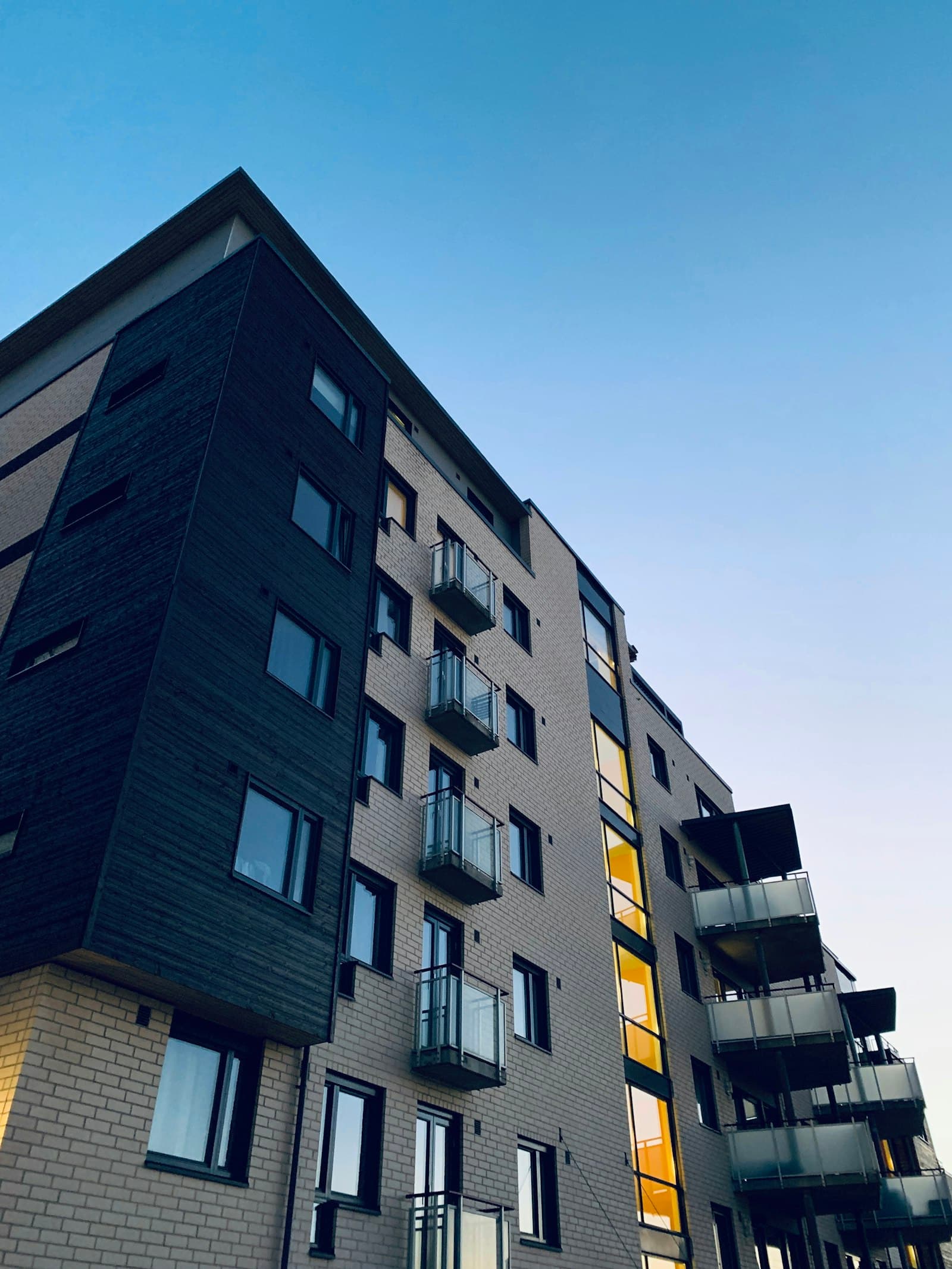
Buying a condominium is exciting, but it rewards buyers who prepare. Whether you are a first-time owner-occupier or an investor, the steps below break the journey into clear stages so nothing catches you by surprise.
Take your time at each stage. A condo is a long-term commitment, and the few weeks you spend on research and due diligence are nothing compared to the years you will live with — or rent out — the result.
Set your budget & financing
Before you fall in love with a unit, decide what you can actually afford. Most Thai banks lend up to 80–90% of a condo's value for residents, which means you should plan for a down payment of at least 10–20% plus closing costs. Foreign buyers usually pay in cash, since local mortgage financing for non-residents is limited.
Lenders assess your debt-service ratio (DSR) — the share of your monthly income that goes to debt repayments. As a rule of thumb, keep total monthly debt under 40% of gross income. Budget beyond the price tag too: transfer fees, mortgage registration, sinking-fund contributions, and monthly common-area fees all add up.
- Down payment: aim for 15–20% to secure better loan terms.
- Loan term: longer terms lower the monthly payment but raise total interest.
- Reserve fund: keep 3–6 months of payments in cash for safety.

Choose location & transit
In a city like Bangkok, location drives both lifestyle and resale value. Proximity to a BTS or MRT station is the single biggest factor in a condo's long-term demand. A unit within a few hundred metres of a station rents faster and holds value better than one that needs a motorbike ride to the line.
Walk the neighbourhood at different times of day. Check noise, flooding history, nearby construction, and the convenience of markets, hospitals, and schools. The "perfect" floor plan in the wrong location is a far harder sell than an average unit in a great spot.
Freehold vs leasehold & the 49% foreign quota
Thai law lets foreigners own condominium units outright (freehold), but only up to 49% of the total saleable floor area in any single building. The remaining 51% must stay in Thai ownership. Before signing, ask the developer or juristic person to confirm in writing that foreign quota is still available for your unit.
Leasehold is the alternative, typically structured as a 30-year registered lease with options to renew. Leasehold can be cheaper up front but gives you fewer rights and is harder to resell. For most buyers, freehold within the quota is the cleaner, safer choice.
Inspect the unit & developer
Never rely on a brochure. Visit the actual unit — or the show unit and construction site for off-plan projects — and inspect carefully. Test taps, sockets, air-conditioning, doors, and windows. Look for water stains, cracks, and uneven floors. For resale units, ask for recent maintenance records.
Research the developer's track record too. Have their past projects been delivered on time and maintained well? Check the financial health of the juristic person that runs the building, because a poorly funded sinking fund means future repairs land on owners.
Make an offer, contract & deposit
Once you choose a unit, you submit a reservation with a small booking fee, followed by a sale and purchase agreement (SPA). Read every clause. The SPA should state the price, payment schedule, transfer date, the exact unit area, and penalties for delay. Have a lawyer review it, especially for off-plan purchases.
Deposits typically run 5–10% of the price. Make sure the contract specifies the conditions under which your deposit is refundable — for example, if the developer fails to deliver or the foreign quota is unavailable.

Transfer day at the Land Office
Ownership becomes official only when the title is transferred at the local Land Office. Both buyer and seller (or their authorised representatives) attend. You will need your passport or ID, the title deed, the SPA, and — for foreign buyers — a Foreign Exchange Transaction form proving the purchase funds were remitted from abroad in foreign currency.
Fees due on transfer day usually include a 2% transfer fee, plus specific business tax or stamp duty, and any mortgage registration fee. Buyer and seller often split these by agreement, so confirm who pays what in the contract well in advance. Once the new title deed is issued in your name, the condo is officially yours.
Key takeaways
- Fix your budget and financing first; never shop above your debt-service comfort zone.
- Location near transit protects both your lifestyle and your resale value.
- Confirm freehold availability within the 49% foreign quota in writing.
- Inspect the unit and vet the developer before paying any deposit.
- Have a lawyer review the contract and prepare your documents for the Land Office.
Buy with patience and good information, and your condominium can be both a comfortable home and a sound long-term asset.