Investing in Thai Condos: A Practical Guide to Yield and Growth
A condominium can be one of the most accessible ways to invest in Thai real estate, but a good return depends far more on the numbers than on the view from the balcony. This guide explains how rental yield and capital appreciation actually work, how to pick a location and developer, how foreign ownership and financing fit together, and how to plan your exit before you ever sign a contract.
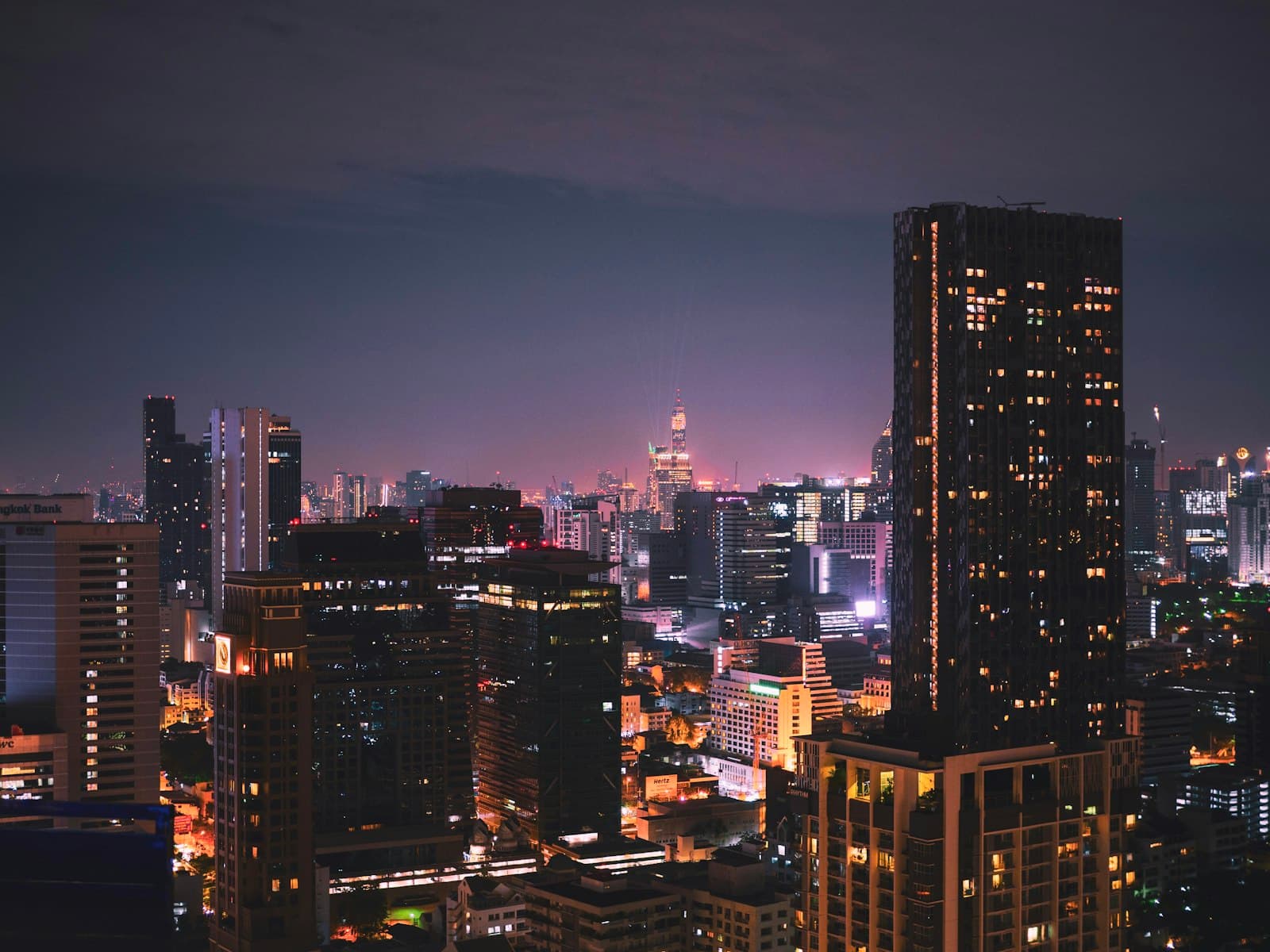
Property has long been a favourite asset class for Thai and foreign investors alike, and for good reason. A well-chosen condominium can generate steady monthly rent while quietly appreciating in value over the years. But "well-chosen" is doing a lot of work in that sentence.
The difference between an investment that pays you and one that drains your cash flow usually comes down to a handful of decisions made before you sign anything. This guide walks through the ones that matter most.
Why Thai real estate
Thailand combines a large, growing urban population with a tourism economy that creates real, year-round rental demand. Bangkok alone draws millions of expatriates, students, and long-stay visitors, while resort markets like Phuket and Pattaya attract holiday renters and lifestyle buyers. Prices per square metre remain modest compared with Singapore, Hong Kong, or Tokyo, which keeps the entry point reachable for first-time investors.
Add a transparent condominium ownership framework that allows foreigners to hold units freehold, and you have a market that is genuinely open to international capital. None of this guarantees a profit, but it is a healthy foundation to build on.
Rental yield vs capital appreciation
Every property return comes from two sources, and you should understand both before you buy. Rental yield is the annual rent you collect as a percentage of the purchase price. Capital appreciation is the increase in the property's market value over time.
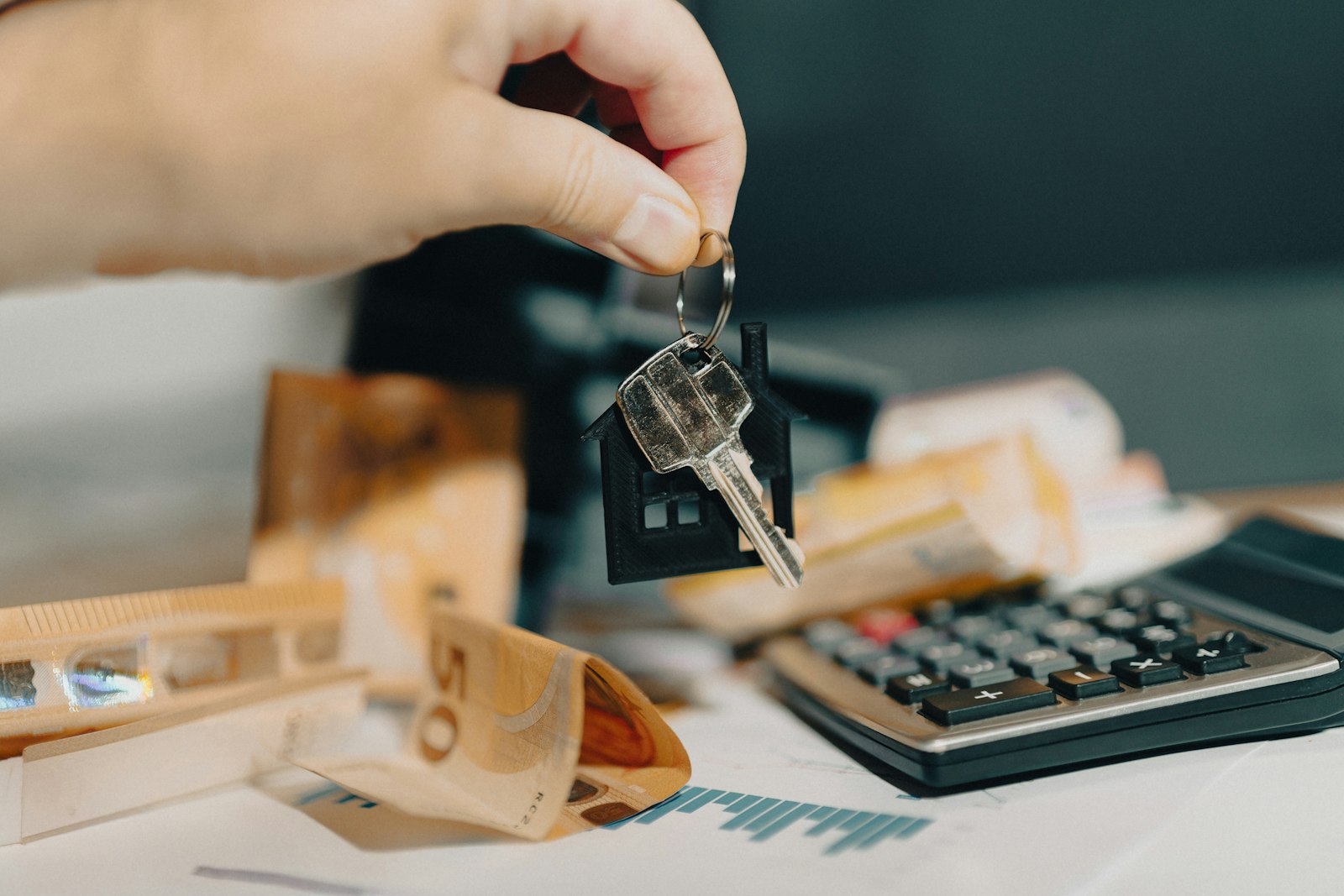
Gross yield is simply annual rent divided by price. Net yield subtracts the running costs — management fees, maintenance, insurance, tax, and vacancy — and is the figure that actually matters. In central Bangkok, gross yields of 4–6% are common; after costs, net yields often settle between 3% and 5%.
- High-yield units tend to be smaller studios and one-bedrooms near transit and offices.
- Appreciation tends to favour prime, land-scarce locations where new supply is limited.
- The best investments balance the two rather than chasing either in isolation.
Choosing a location & developer
Location is the one variable you can never renovate your way out of. For rental investment, proximity to a BTS or MRT station is the single strongest predictor of demand: tenants pay a premium to live within a short walk of the line, and units close to transit rent faster and sit empty less often.
Look beyond the station, too. Nearby offices, universities, hospitals, and international schools all create reliable pools of tenants. Then study the developer. A reputable developer with a track record of on-time delivery and well-managed buildings protects both your rent and your resale value, while a weak juristic person and an underfunded sinking fund can quietly erode both.
Off-plan vs ready-to-move
Off-plan units — bought before or during construction — are usually cheaper and let you pay in instalments as the building rises. If the project is well located and the developer delivers, you can see meaningful appreciation by the time you receive the keys. The trade-off is risk: construction delays, design changes, and the possibility that the finished product disappoints.
Ready-to-move units cost more but remove the guesswork. You can inspect the actual unit, verify the building's condition, and start earning rent immediately. For first-time investors who want predictable cash flow, ready-to-move is often the safer path; experienced buyers comfortable with risk may prefer the upside of off-plan.
Financing & foreign ownership
Thai law permits foreigners to own condominium units freehold, but only up to 49% of the total saleable area in any single building. Before committing, confirm in writing that foreign quota is still available for your unit. Foreign buyers must also bring funds in from abroad and obtain a Foreign Exchange Transaction form, which you will need at the Land Office to register ownership.
Financing is where foreign and local investors diverge most. Thai residents can usually borrow 70–90% of a unit's value, while mortgage financing for non-residents is limited and most foreign buyers pay cash. If you do borrow, factor the interest into your net yield — a mortgage turns a modest positive return into a negative one surprisingly easily.
Running costs, tax & vacancy
Headline yield ignores the costs that eat into it, so build a realistic budget. Common-area fees, a sinking-fund contribution, building insurance, and periodic repairs are all recurring. If you use an agent to find and manage tenants, expect to pay roughly one month's rent as a letting fee plus an ongoing management percentage.
Tax matters too. Rental income is taxable, and selling within a few years can trigger transfer fees, specific business tax, and withholding tax. Vacancy is the silent killer of returns: a unit empty for two months a year loses about 17% of its annual rent, so price competitively and keep good tenants rather than chasing the last few baht.
Exit strategy
Smart investors plan the exit before they enter. Decide up front whether you are buying to hold for long-term rent, to flip after appreciation, or to sell on completion of an off-plan project. Each path implies a different unit, location, and holding period.
Liquidity varies. Smaller, well-located units near transit resell fastest because they appeal to both owner-occupiers and other investors. Large, unusual, or remote units can take many months to sell. Knowing your likely buyer at the outset keeps you from owning something nobody else wants.
Key takeaways
- Returns come from yield and appreciation — understand and plan for both.
- Calculate net yield after every cost, not the headline gross figure.
- Location near transit and a strong developer protect rent and resale value.
- Confirm foreign quota and bring funds in correctly before you buy.
- Budget for running costs, tax, and vacancy, and plan your exit in advance.